Marketplace for the Media Production Industry

Blink Network

Two sided marketplace for media companies to find qualified audiovisual talent in the place and at the time they need it.

Roles
UI DeveloperUX/UI Designer
Timeline
2015–2016

The Challenge

For media companies, finding editorial talent in the right place and at the right time was difficult. Information was spread across spreadsheets and email. If they could not find the right person, they had to move a team or trust someone without references. Freelancers, on the other side, depended on already being on an editor's list.

The product had to help people find the right freelancer for each role, in the place and at the time needed, with a profile, portfolio, and reviews that made the work easier to evaluate. The invite only network included profiles in more than 180 countries. For subscriptions to make sense, briefs and coordination also had to stay inside the product.

My role onthe product team

Timeline

2015–2016

Job title

UI Developer & UX/UI Designer

Job description

Only design and UI implementation resource on a small product team. Covered desktop, tablet, mobile, iOS, and Android interfaces: design, design system, components, and HTML/CSS implementation, in coordination with engineering.

Product Manager
My roleUI Developer / UI/UX Designer
Tech Lead
Sr. FullStack Developer
Mobile App Developer

Discovery Process

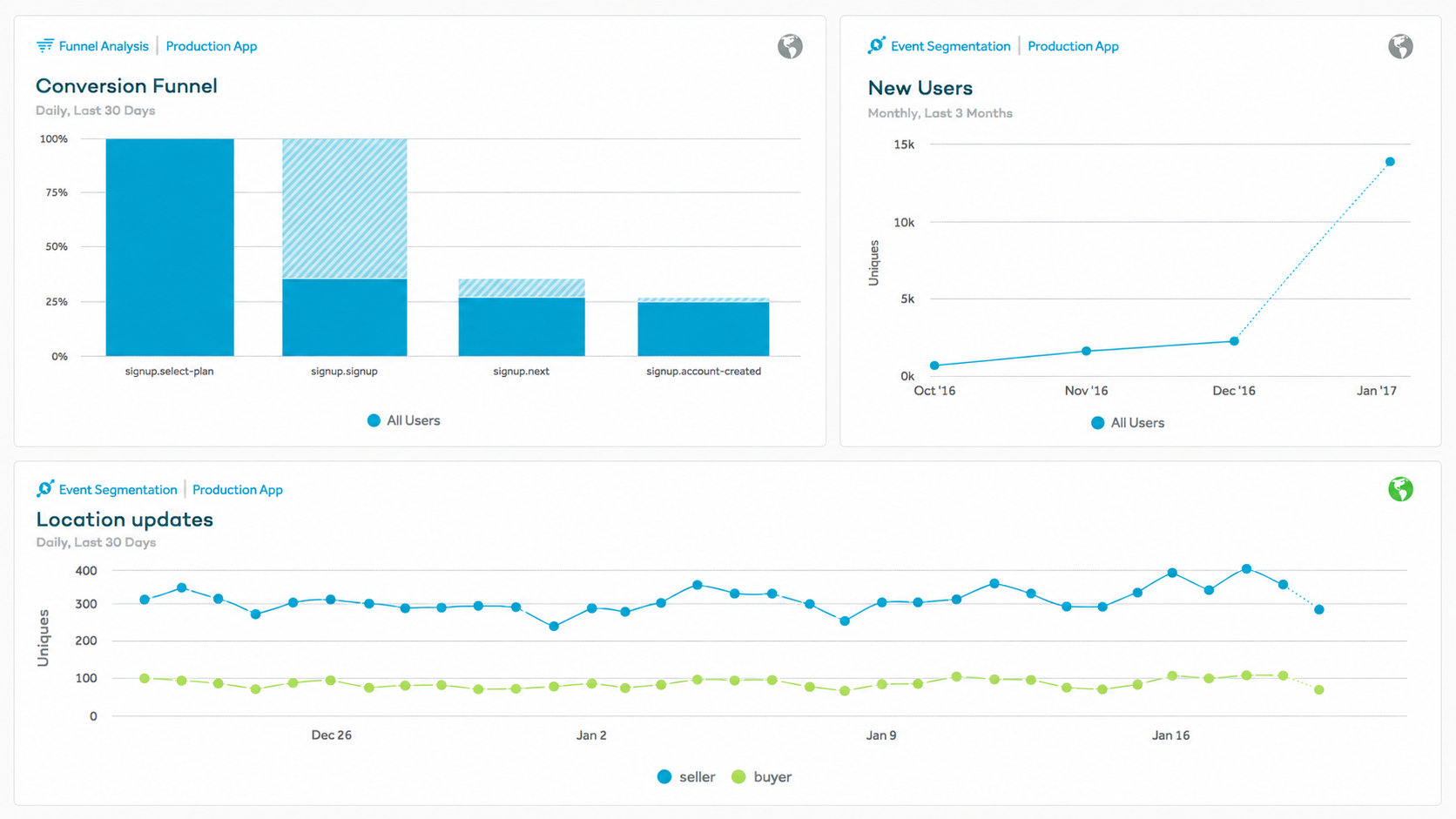
We combined interviews, surveys, usability tests, and key events tracked in Amplitude. The founders came from media companies, so we had better access to that segment and could understand its needs and pain points more clearly. I created user personas to align the team.

Feedback showed that finding the right profile was not enough. We also needed to know whether the freelancer had insurance and the equipment required for the job. A strong match by role and portfolio could still fail if the freelancer was already booked for the day and time we needed. We also questioned the assumption that everyone would update their location. Some freelancers did not want to do that when they were in conflict zones. These signals helped us learn and iterate on the features.

Amplitude events view used to understand the signup funnel and see where onboarding lost momentum.
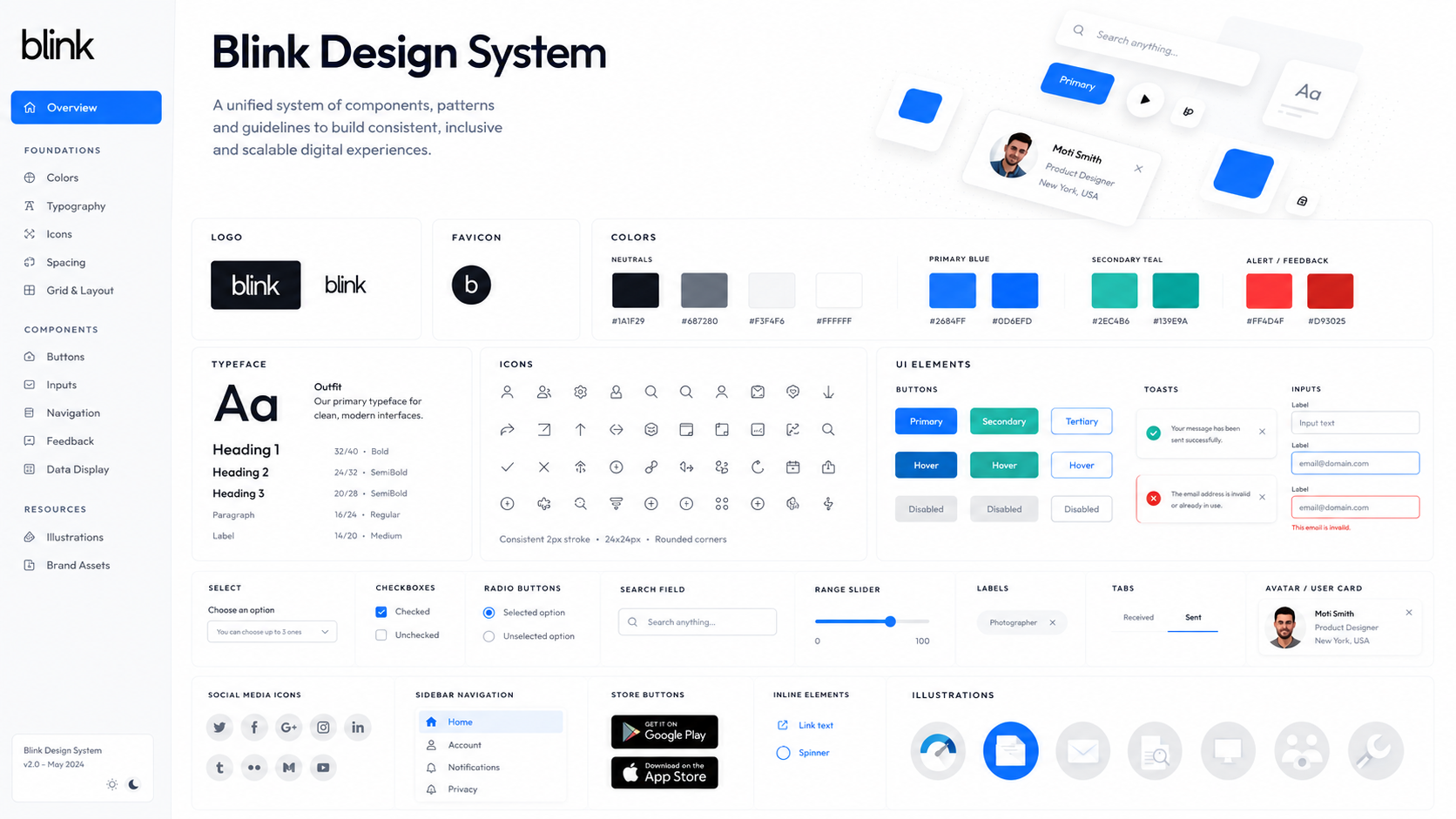
Early design system work to keep a broad multi-platform product visually consistent.
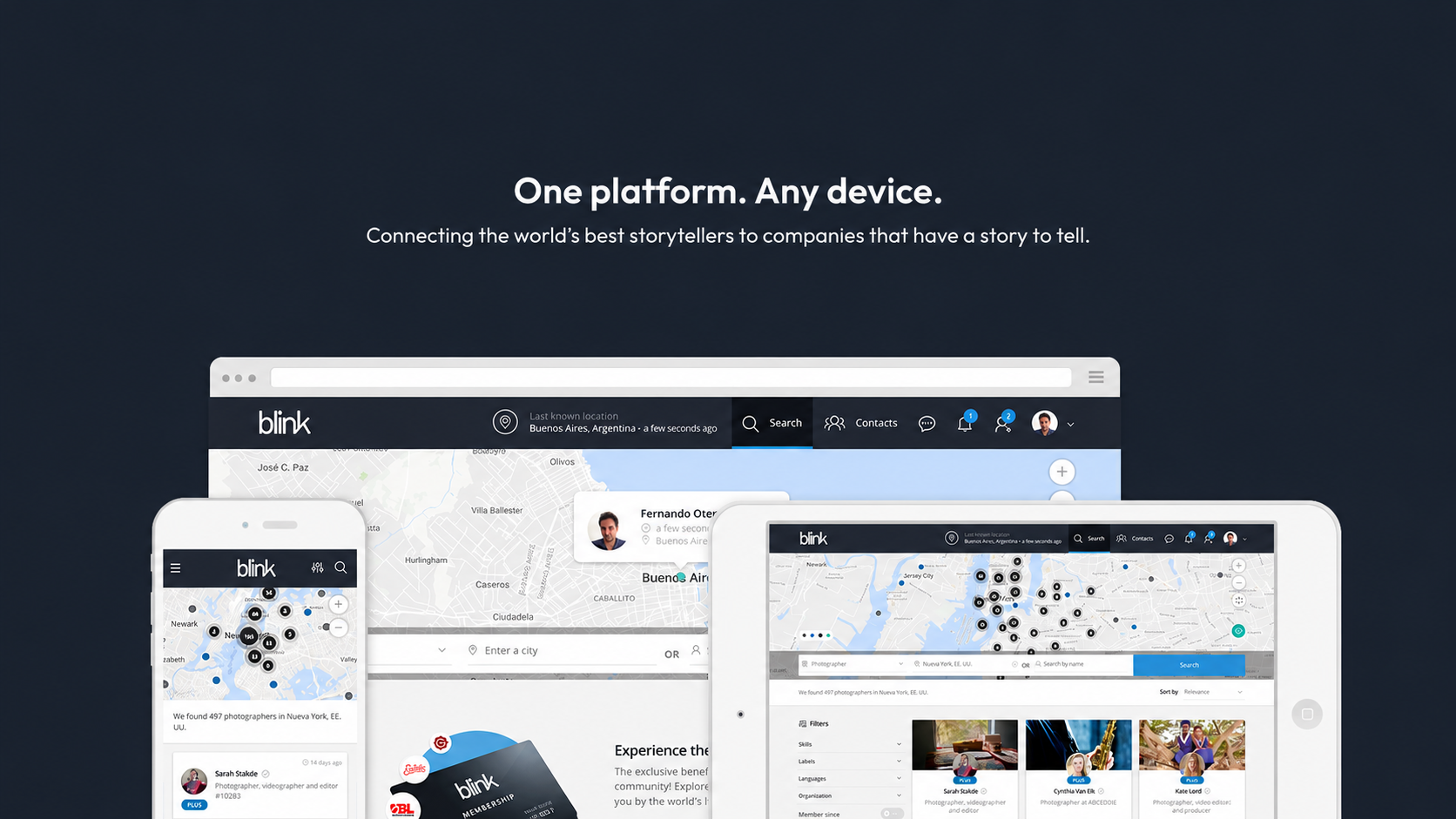
Responsive interface exploration across desktop, tablet, mobile, iOS, and Android.
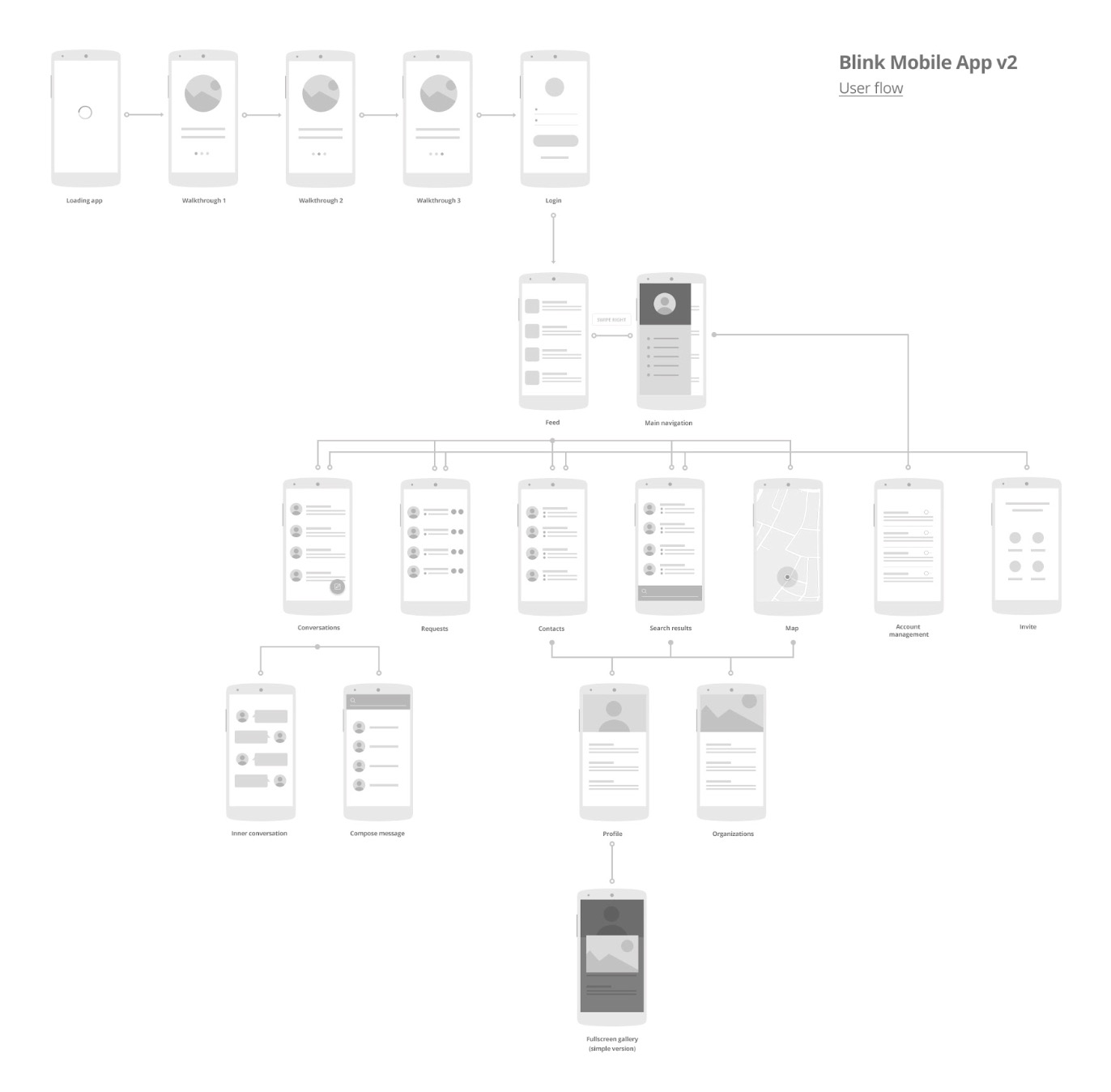
Mobile flow mapping for the freelancer experience and real-time location use case.
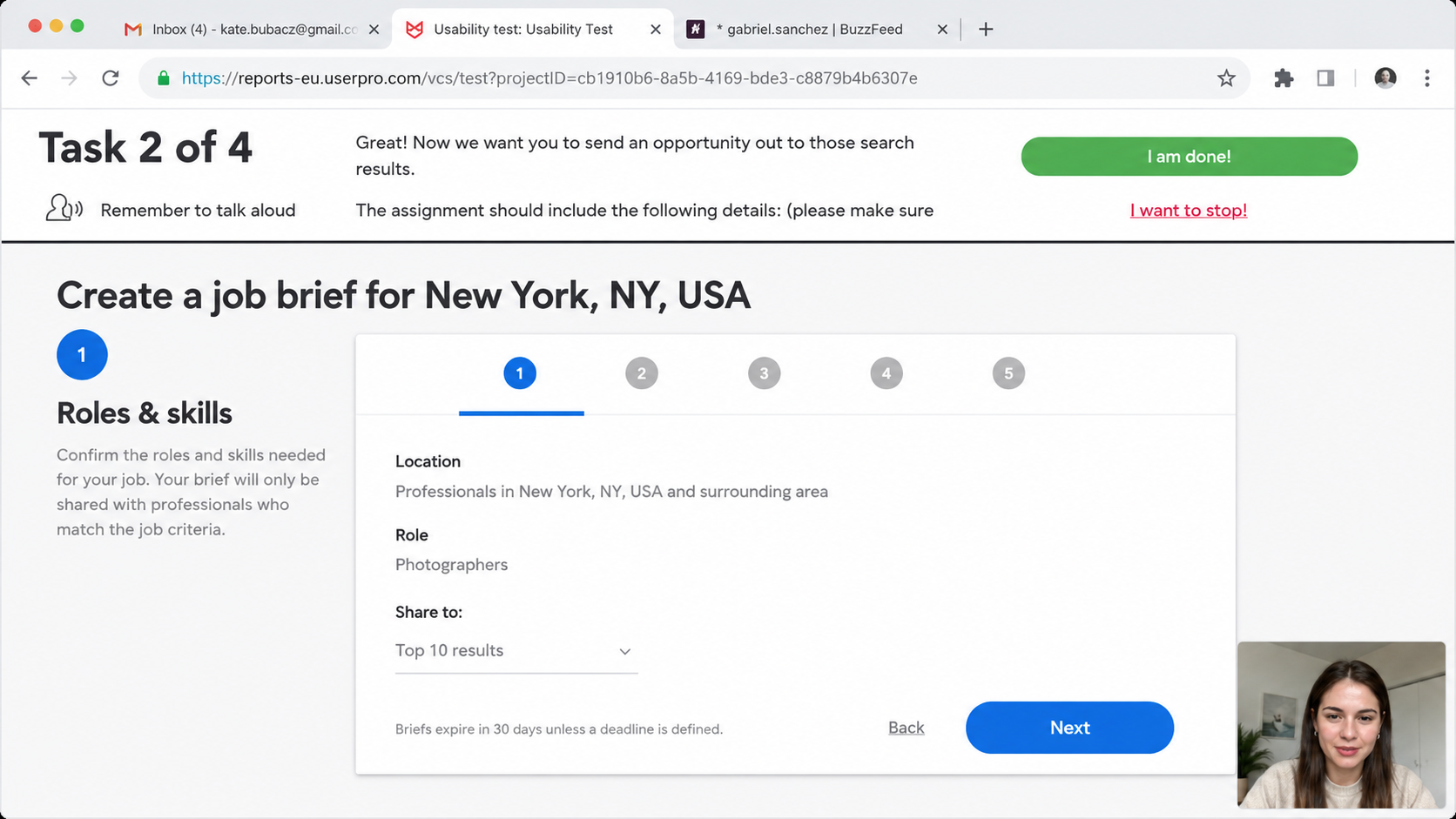
User research and testing material used to validate core search and discovery assumptions.

Prioritized Solutions

Development lasted less than a year and a half with a small team. Most of that time went into building features that founders and the PM had already prioritized around finding and coordinating talent in the right place and at the right time. We were not building a roadmap from scratch. The work was to design and implement how that marketplace would be delivered and make each part clear in the interface.

Discovery helped us understand how buyers and freelancers thought. Feedback showed where to adjust the experience around what was already prioritized, not whether to open the roadmap.

Map and discovery feed

Buyers were moving between disconnected profile lists and location signals when time and proximity mattered. We brought the map, filters, availability, and profiles into one view so discovery started with a practical shortlist rather than a broad directory.

Real-time location

Location was the product’s differentiator, but a desktop profile could not keep it reliable while freelancers were working in the field. Native mobile made updating location part of the everyday workflow, turning a static profile into information buyers could act on.

Freelancer and company profiles

A search result only worked if a buyer could judge fit and credibility without leaving the product. Profiles made role, experience, and portfolio legible, while onboarding encouraged completeness because a finished profile was also a stronger trust signal.

Brief

Requests needed enough context to be relevant, but broadcasting every opportunity to the network would create noise for everyone. Briefs captured role, location, budget, and timing, then routed the opportunity to the best-ranked profiles instead of treating the network as a mailing list.

Map and discovery feed

Buyers were moving between disconnected profile lists and location signals when time and proximity mattered. We brought the map, filters, availability, and profiles into one view so discovery started with a practical shortlist rather than a broad directory.

Real-time location

Location was the product’s differentiator, but a desktop profile could not keep it reliable while freelancers were working in the field. Native mobile made updating location part of the everyday workflow, turning a static profile into information buyers could act on.

Freelancer and company profiles

A search result only worked if a buyer could judge fit and credibility without leaving the product. Profiles made role, experience, and portfolio legible, while onboarding encouraged completeness because a finished profile was also a stronger trust signal.

Brief

Requests needed enough context to be relevant, but broadcasting every opportunity to the network would create noise for everyone. Briefs captured role, location, budget, and timing, then routed the opportunity to the best-ranked profiles instead of treating the network as a mailing list.

Outcomes

The product team delivered what the founders and PM had prioritized: the features shipped and subscriptions generated revenue. There was real traction, especially among freelancers on Plus, and the product still charges users and drives hiring inside a curated community. That shows users saw value in it: they kept paying and using it to hire.

In the middle of 2016, the company relied on curated vendors to offer custom audiovisual production services. Without the runway to keep investing in the marketplace, there was no way to maintain the development team. What remained was an experience users valued, not a business that could keep being developed.

Business snapshot

Cumulative ROI to date

≈40%

Every $1 invested → $1.40.

Revenue margin

28.6%

MRR growth

+6.1% YoY

$8.18K → $8.67K · Aug ’25–Aug ’26

ARPU

$10.76/mo

$8.67K / 806 paid subs · Aug ’26

Monthly maintenance cost

$928

Platform maintenance, billing, messaging & support

2015

Development started

2016

Development completed

Aug ’26

Revenue to date

Net paid revenue
$542K
100%
Total accumulated cost
$387K
71.4%

Cost breakdown

57.1%

Product team

Tech Lead · Android Dev · Product Designer · Full Stack Developer

Cost through Dec 2016; no further product work

15.0%

Admin + support

Light ops · Help Scout

27.9%

Infrastructure

Google Servers · Recurly · Cloudflare · Twilio · GitHub · SendGrid · AWS

Source: Recurly MRR + invoice exports; operating snapshot through Aug 2026. Costs from the maintenance expense breakdown.

Curated profiles created

22,338

Freelancers · 83%Companies · 17%

Active paid subscriptions

806

Current active base

Active subscription mix

67%
31%

Plus · annual537 · 67%

Plus · monthly253 · 31%

Pro · annual10 · 1.2%

Pro · monthly6 · 0.7%

Most represented roles

Editorial and production talent

PhotographerVideographerProducerCinematographerPhoto editorArt director

Learnings

This was my first time inside a classic product team with a PM and engineering, far from the agency delivery model I knew. In that context, I built interfaces with a consistent visual language in Materialize and a Sketch design system that made reuse faster.

The strongest product learning was that a well designed experience can retain use and still fall short if demand, pricing, and go to market are not tested early. We had identified a clear pain in work coordination, and booking was the opportunity to solve it, but we did not get to build it. Since then, I have separated more clearly between something that works for the user and something that can sustain a business, and I am more careful about what I claim as my ownership.